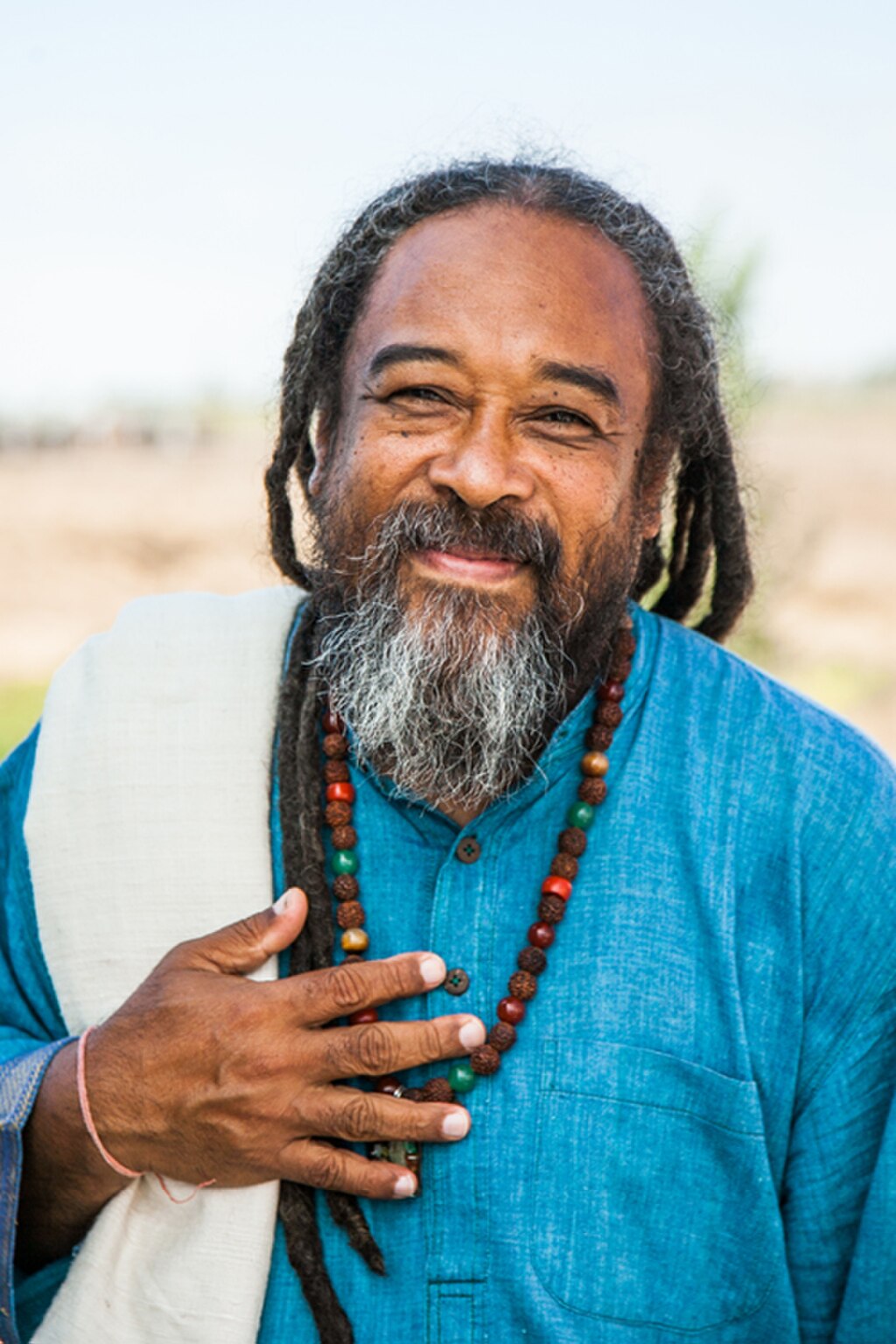
The Ever-Present Nature of Truth
Mooji's assertion that "Truth doesn't go anywhere. It is here, now, always" invites us to reconsider our relationship with the concept of truth itself. In a world often characterized by transient beliefs and shifting perspectives, this statement serves as a grounding reminder that truth is not a distant goal to be pursued, but rather an ever-present reality to be recognized. Understanding this can profoundly alter our approach to life, encouraging us to cultivate awareness and presence in the moment.
This perspective challenges the common notion that truth is something we must seek outside ourselves, often leading to frustration and disillusionment. Instead, Mooji's words suggest that truth is intrinsic to our existence, waiting to be unveiled in the here and now. This realization can liberate us from the burdens of seeking and striving, allowing us to embrace a more serene and accepting state of being. The implications of this teaching resonate deeply in our daily lives, urging us to explore the nature of our perceptions and the reality that lies beyond them.
The image / the metaphor
The imagery in Mooji's quote evokes a sense of immediacy and permanence. The phrase "doesn't go anywhere" suggests that truth is not subject to the whims of time or circumstance; it remains steadfast, like a mountain that endures through the ages. The verbs "is" and "always" reinforce this notion of constancy, inviting us to recognize that truth exists independently of our awareness or acknowledgment. This felt sense of truth as an unchanging presence can be both comforting and challenging, as it calls us to confront our own fleeting thoughts and emotions.
In the speaker's tradition
Mooji's teachings are deeply rooted in the non-dual tradition, which emphasizes the interconnectedness of all existence and the realization of one's true self. Concepts such as *sunyata* (emptiness) and *fana* (annihilation of the self) resonate with the idea that our individual perceptions often cloud our understanding of the ultimate truth. In this context, Mooji's assertion that truth is always present invites us to transcend the illusions of separation and to recognize the underlying unity that binds us all.
In the *Upanishads*, ancient texts that explore the nature of reality and the self, we find similar sentiments expressed. The *Taittiriya Upanishad* states, "That which is the essence of all beings, that is the truth." This echoes Mooji's teaching, suggesting that truth is not an abstract concept but rather the very fabric of existence itself. By aligning ourselves with this understanding, we can begin to dissolve the barriers that prevent us from experiencing the fullness of truth in our lives.
Living the teaching
Consider a modern scenario where this teaching can be applied: a person grappling with anxiety about the future. In moments of worry, it is easy to become consumed by thoughts of what might happen, losing sight of the present moment. By embracing Mooji's teaching, this individual can learn to ground themselves in the here and now, recognizing that truth—peace, clarity, and acceptance—exists within them, regardless of external circumstances. This shift in perspective can transform their experience, allowing them to navigate life's uncertainties with greater ease and resilience.
Another application of this teaching might arise in the context of a strained relationship. When conflicts arise, it is common to become entangled in narratives of blame and resentment, obscuring the underlying truth of love and connection. By remembering that truth is always present, individuals can cultivate a sense of compassion and understanding, recognizing that their perceptions may be clouded by emotional turbulence. This awareness can foster deeper communication and healing, allowing both parties to reconnect with the essence of their relationship, which is rooted in truth and love.
A reflection
As we contemplate Mooji's profound statement, we are invited to explore our own relationship with truth. In what ways do we seek truth outside ourselves, and how might we begin to recognize it as an inherent aspect of our being? This inquiry encourages us to turn inward, to cultivate a deeper awareness of the present moment, and to embrace the truth that is always available to us. By doing so, we can begin to live more authentically, grounded in the unwavering reality of our existence.



Join the BrightStar Community
Stay connected with daily inspiration, event announcements, and community wisdom